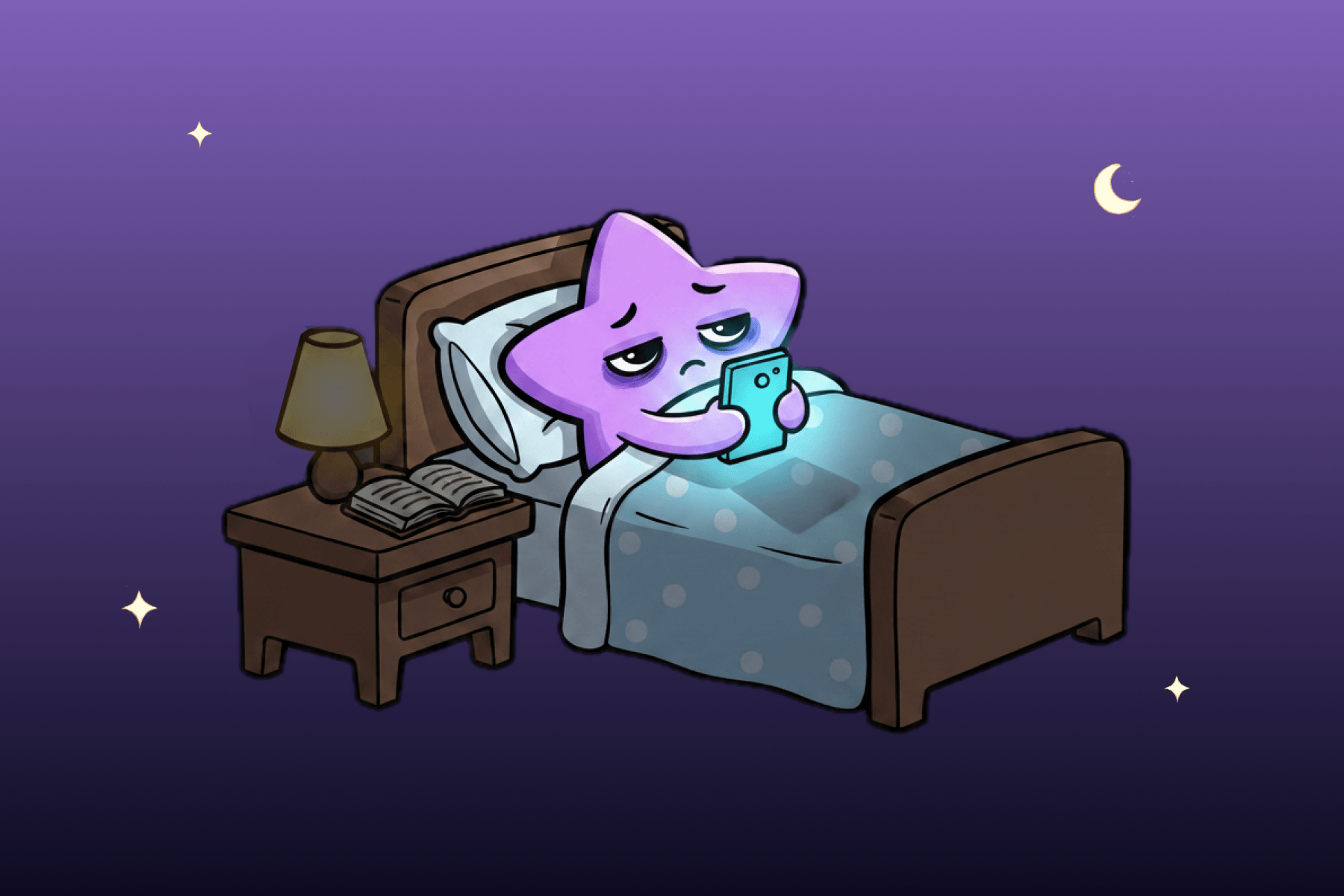
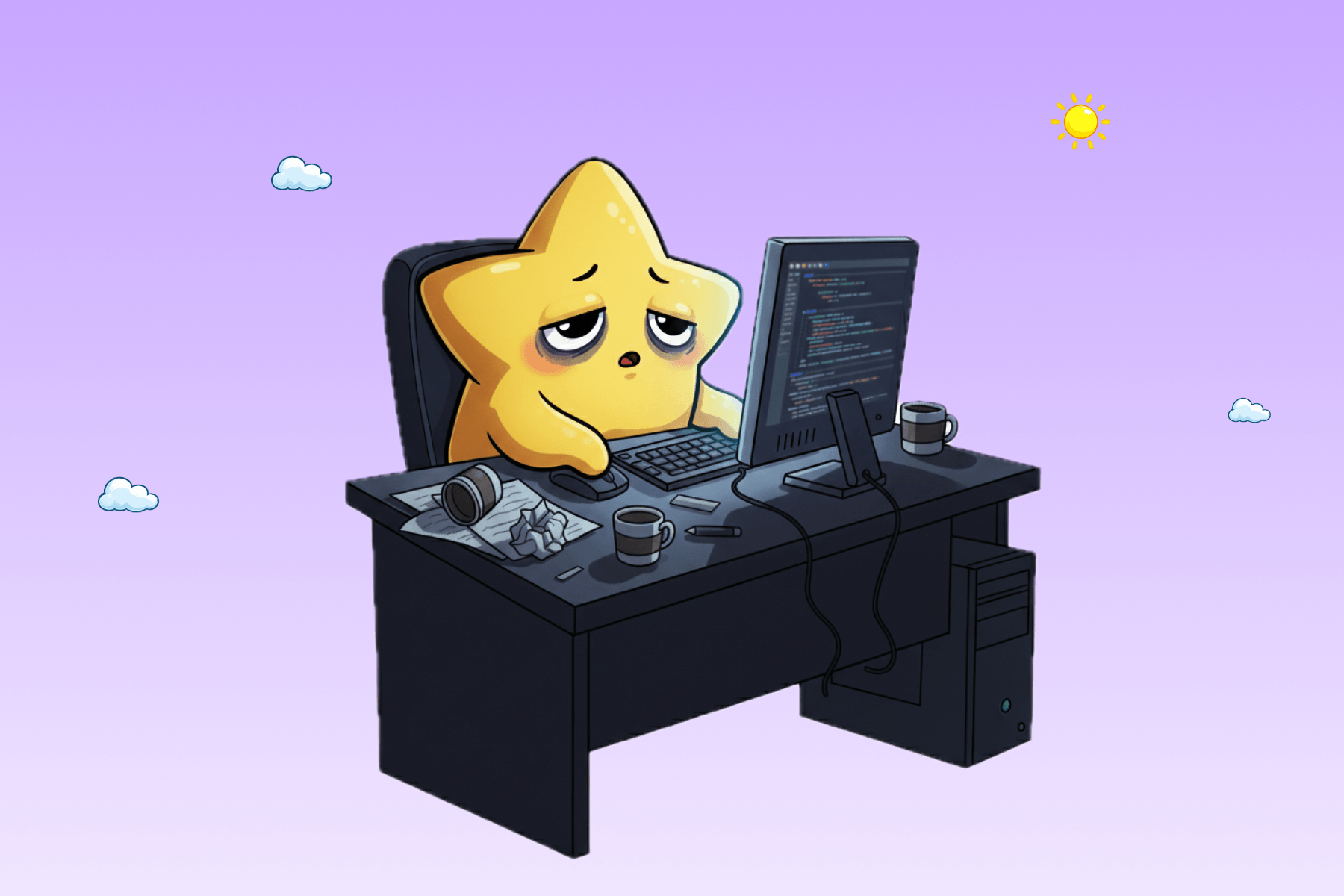
what is sleep debt?
Sleep debt isn't a sleep lab concept or a formal clinical term. It's the accumulated gap between how much sleep your body needs and how much it's actually received - stacked across nights, not averaged into a single daily figure.
The debt metaphor holds up biologically in one important way: it compounds. A single night of five hours doesn't just leave you tired the next morning. It shifts your cognitive baseline. It elevates emotional reactivity. It degrades impulse control. It reduces your ability to accurately assess how impaired you are - which is the part that makes the whole thing so quietly dangerous.
Research on chronic partial sleep restriction, published in Sleep, found that sleeping six hours per night for two weeks produced cognitive deficits equivalent to staying awake for 24 hours straight - while participants reported feeling only slightly sleepy. They thought they were fine. The performance tests said otherwise. Sleep debt doesn't announce itself. It just quietly raises the floor of how poorly you function while you conclude you've adapted.
why a long weekend doesn't clear it
Recovery sleep can reduce some of the acute impairment from recent restriction. What it doesn't do is fully restore the cognitive and emotional processing that was missed across a week of short nights. The debt requires consistent repayment - and consistent repayment requires structural change, not occasional heroic lie-ins. Changing the pattern that creates the debt is the only thing that durably changes the number. A concrete nightly structure to aim for is in how to build a bedtime routine you'll actually stick to.
what sleep debt actually looks like day-to-day
Sleep loss doesn't arrive labelled as sleep loss. It disguises itself as other things, and that disguise is part of why people carry significant debt for months without naming it correctly.
It shows up as irritability first. Before tiredness even registers clearly, sleep restriction elevates amygdala reactivity - your brain's threat and emotional response system runs hotter with less sleep. Research using fMRI found that sleep-deprived participants showed 60% greater amygdala activation in response to negative stimuli compared to well-rested controls. The world feels more difficult. Colleagues feel more irritating. Minor things land harder. This isn't temperament. It's a neurological state.
Then reaction time and decision-making. The psychomotor vigilance task is a standard measure of sustained attention. Studies using it found that six hours per night across two weeks produces deficits comparable to 24 hours of total sleep deprivation. The important detail: participants in those studies rated themselves as only slightly sleepy by day ten. The subjective experience of impairment doesn't track the objective performance decline. You feel almost fine. You're not.
And appetite regulation shifts. Sleep restriction interacts with leptin and ghrelin - the hormones governing hunger and satiety. Short sleep is consistently associated with increased appetite, particularly for high-calorie food. This isn't willpower failure. It's a physiological response to an energy deficit the body is trying to address through the wrong mechanism. The midnight snack craving isn't separate from the sleep debt. It's a symptom of it.
why one good weekend doesn't fix a week of short nights
People reach for recovery sleep the way they reach for a big meal after skipping lunch - it helps, but it doesn't undo the deficit proportionally. Research on recovery from chronic sleep restriction found that while some performance measures bounce back after recovery nights, others remain impaired for longer than expected. Emotional reactivity in particular recovers slowly.
More practically: if the structure that created the debt doesn't change, the debt returns immediately. A week of six-hour nights followed by two eight-hour weekend nights followed by another week of six-hour nights is a cycle, not a recovery. The calculator shows you this - seven nights at once, not just last night, so the pattern is visible instead of hiding behind any single decent sleep. If part of the problem is weekend midsleep drifting far from weekdays, the sleep schedule fixer quantifies that social jet lag in hours so you're not only staring at a debt total.
the costs that don't appear on any ledger
Economic analyses of insufficient sleep in working populations estimate hundreds of billions in annual losses through errors, accidents, reduced productivity, and absenteeism. None of that arrives on a timesheet labeled "sleep debt." It looks like a bad quarter. A missed deadline. A judgment call that went wrong. A conversation that shouldn't have gone the way it did.
Tracking your weekly sleep total isn't a wellness exercise. It's the most direct way to find out whether your cognitive performance has structural limits you've been attributing to everything but the obvious cause. When the shortfall is partly from late feeds, doomscrolling and sleep: what late-night scrolling does to your brain explains why those hours don't feel "replaceable" one-for-one.
what a high number means and what to do with it
A large weekly deficit doesn't mean you're beyond fixing it. It means the pattern that created it is the thing that needs to change - not your willpower, not your morning alarm, and not the supplement you've been half-considering buying.
Consistent bedtime enforcement is what changes the pattern. Not reminders, not nudges - structural friction that removes the midnight bargaining. lumi's bedtime lock lets you set the boundary. At the lock time, the apps that extend your night become unavailable. The negotiation disappears because the option disappears. The version of you who set the lock already made the decision.
Use the number from the calculator to understand your pattern, then change the structure that's producing it. The lumi homepage explains lock, wind-down, and wake challenges in one pass before you install. For cycle-aligned bedtimes once you're protecting more hours, the ideal bedtime calculator pairs well with this weekly view.