The algorithm doesn't know it's midnight. It only knows you haven't left yet.
That's the core problem with doomscrolling and sleep - not that you lack discipline, but that the system you're scrolling through was designed with no concept of your bedtime. Your phone optimises for engagement at 11 PM with the same intensity it uses at 11 AM. Your brain, however, is not the same at those two times. And that asymmetry has measurable consequences for the quality of your sleep, the function of your memory, and how you feel the morning after.
If you want the behavioural side of the same problem, how to stop doomscrolling at night without relying on self-control walks through friction and structure instead of willpower alone.
Here's what the research actually says.
what doomscrolling does to your melatonin
Melatonin is the hormone that signals to your brain it's time to sleep. It starts rising naturally about two hours before your body's ideal sleep time - a process called dim-light melatonin onset (DLMO). The entire architecture of your night's sleep depends on this process starting on time.
Screen light disrupts it significantly.
A study by Gooley et al., published in the Journal of Clinical Endocrinology & Metabolism, found that overhead room light before bed suppresses melatonin by 50%. Screens - closer to your face, held directly in front of your eyes - produce similar suppression. The blue-wavelength light emitted by phones is particularly effective because it mimics the wavelength of daylight, which your brain interprets as a signal to stay alert.
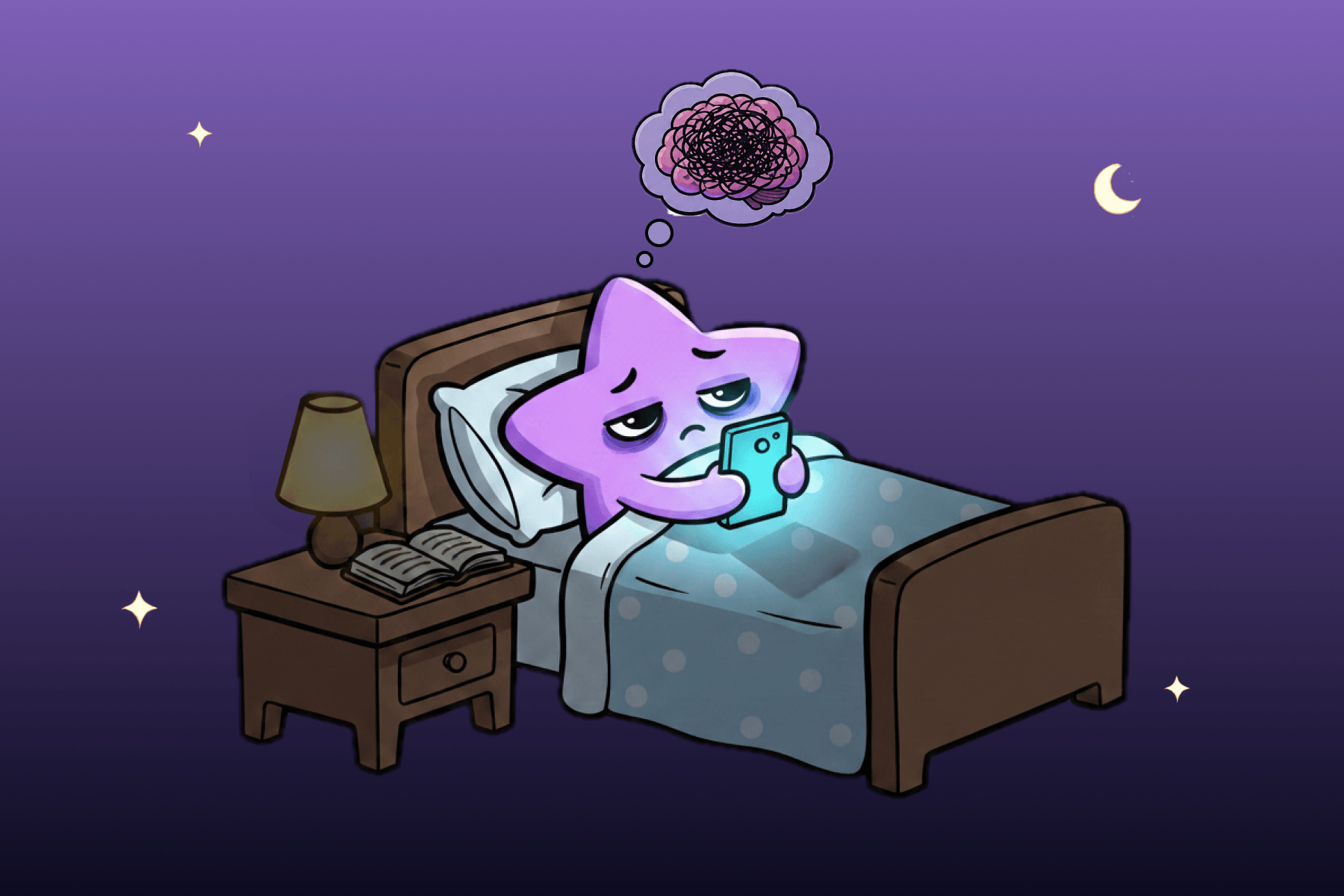
When you scroll from 10 PM to midnight, you are actively preventing your brain from entering sleep mode. When you finally put the phone down, you don't feel sleepy because your brain's chemistry hasn't shifted yet. The drowsiness you expected has been delayed - sometimes by 60 to 90 minutes.
the REM debt you didn't know you were running
Melatonin suppression is the first problem. REM sleep is the second.
Your sleep architecture follows a predictable pattern: lighter sleep early in the night, deeper slow-wave sleep in the middle cycles, and longer REM-dominant sleep in the early morning hours. REM is where memory consolidation happens, where emotional regulation is processed, where your brain makes sense of the day.
When doomscrolling delays your sleep onset by 90 minutes, you don't simply lose 90 minutes of sleep. You truncate the REM-heavy cycles that were scheduled for the end of your night. If your alarm fires at 7 AM regardless of when you fell asleep, the REM you needed is gone.
Research published in Sleep Medicine Reviews confirms that REM sleep loss is disproportionately damaging compared to other sleep stage disruption. The cost shows up as impaired learning, emotional reactivity, reduced creativity, and decision fatigue - all things that compound across a week of late nights.
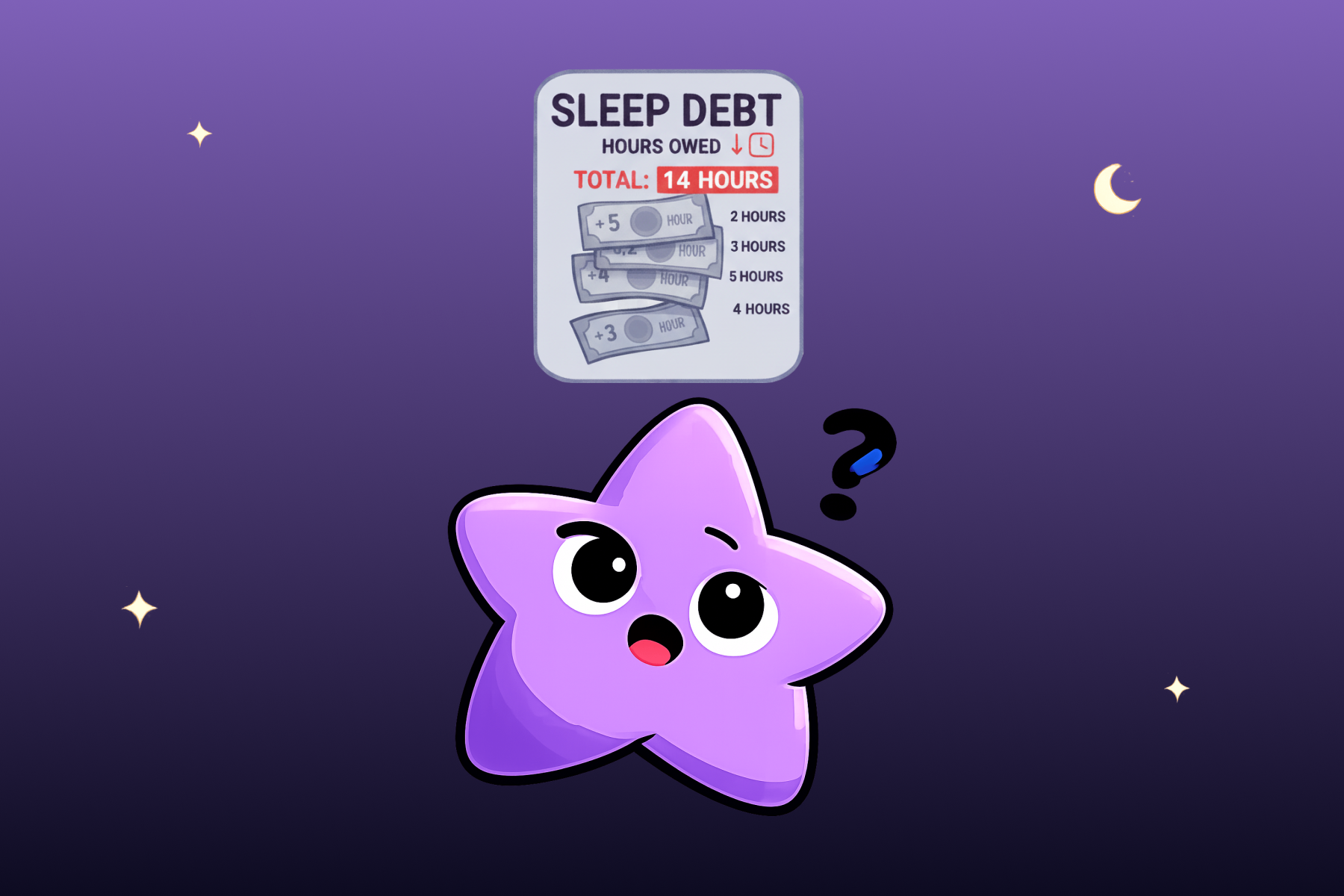
One hour of late-night scrolling, repeated over five workdays, amounts to a cognitive deficit equivalent to pulling a full all-nighter by Friday.
cortisol, stress content, and the activation problem
Melatonin and REM are the physiological effects. The content compounds them.
Doomscrolling, by definition, trends toward negative, high-arousal content - news, conflict, outrage, anxiety-inducing social comparison. Each piece triggers a small cortisol response. Cortisol is your stress hormone. It is also, critically, a sleep antagonist - it suppresses melatonin and signals alertness.
You're not just staring at a screen at midnight. You're feeding your stress system a continuous stream of inputs that trigger the exact hormonal state that prevents sleep. Your brain ends up neurochemically lit, regardless of how physically tired you feel.
Research from the American Academy of Sleep Medicine consistently finds that pre-bed technology use is among the leading self-reported causes of sleep disruption, with the effect most pronounced in adults aged 18-34. The physiology predicts exactly this: melatonin suppression, REM truncation, and cortisol activation all running simultaneously.
Not scrolling great before bed? Try the lumi doomscroll damage calculator to see what your specific habits are costing you in sleep.
the morning-after effect
The effects of doomscrolling don't stay at night.
The morning difficulty - the alarm feeling impossible, the brain fog that doesn't lift until 11 AM, the low motivation, the feeling of being behind before the day has started - is almost always downstream of the night before. It isn't a personality type. It's a delayed consequence.
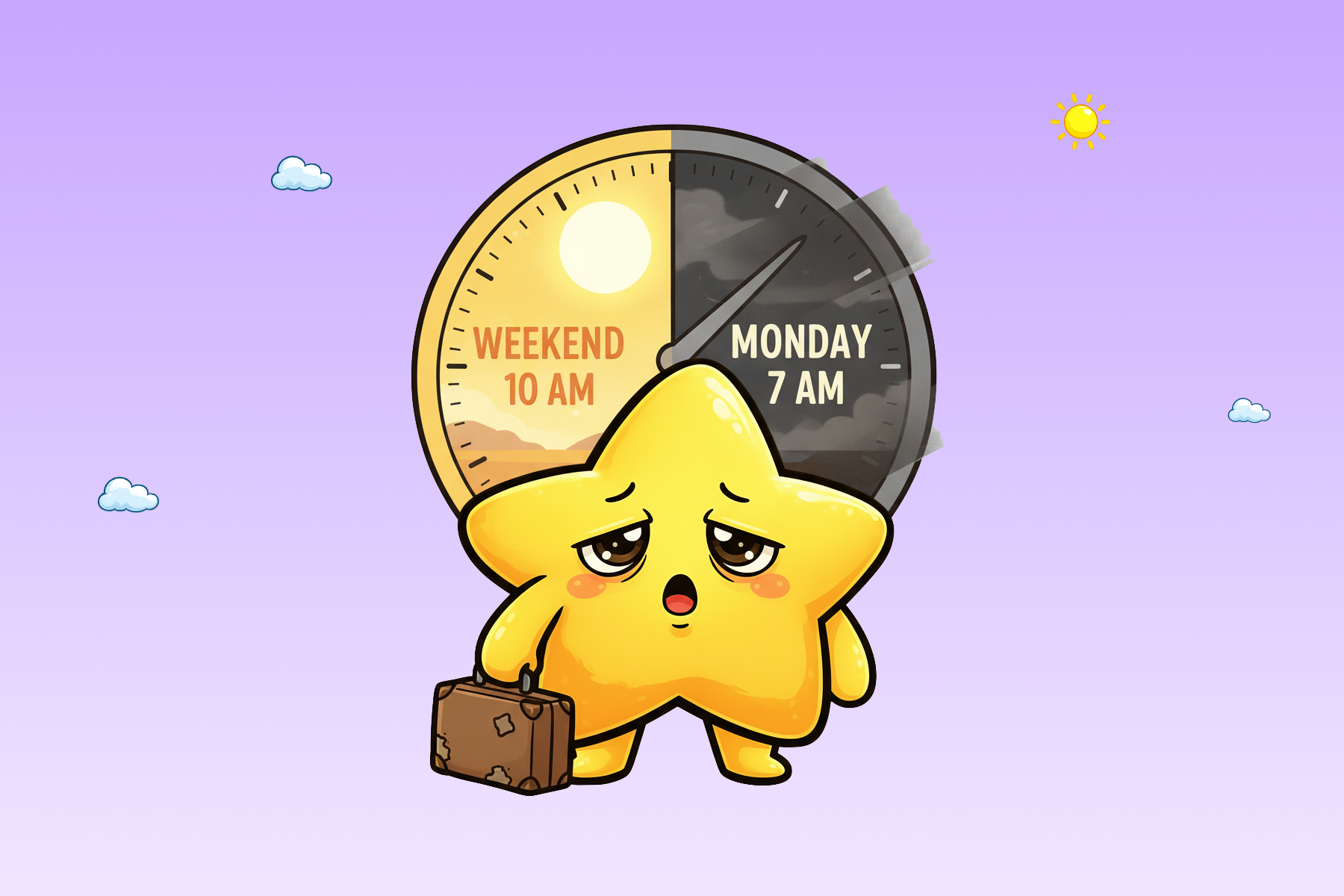
When your melatonin onset was pushed back to 1 AM, your body's internal clock shifts accordingly. It wants to wake at 10 AM, not 7. The alarm at 7 AM interrupts sleep in the middle of a cycle, at a stage your body wasn't finished with. This produces sleep inertia - the groggy, disoriented state that can persist for hours.
Repeatedly interrupting sleep at the wrong cycle point also suppresses the morning cortisol spike that is supposed to provide natural energy and alertness. The cortisol that doomscrolling elevated at midnight is the same cortisol you needed elevated correctly in the morning - at the right time, for the right reason.
To understand exactly how your melatonin timing has shifted based on your screen habits, try the lumi melatonin suppression clock - it visualises what your actual melatonin curve looks like tonight versus an uninterrupted one.
why lumi treats night and morning as one problem
Most sleep apps address either the night or the morning. Bedtime reminders or alarm tools. They treat them as separate problems because they look separate.
They're not.
Your difficulty waking at 7 AM is a direct consequence of what your phone let you do at midnight. A solution that only addresses one end of that chain is incomplete.
lumi locks the apps that eat your sleep at bedtime - automatically, not as a suggestion - so your melatonin process begins on time, your REM cycles run to completion, and the morning version of you has the cortisol it's supposed to have. Then the wake-up challenge makes sure you actually stay awake when the alarm fires. How the bedtime lock and wake challenges work in practice →
Night and morning are one problem. lumi is one solution - lock apps at bedtime, wind down on-device, then use wake challenges so the alarm actually stops. Try lumi free for 7 days on App Store →
the research in plain language
- Pre-bed screen use suppresses melatonin by up to 50%, delaying sleep onset by 60–90 minutes
- Delayed sleep onset truncates REM sleep, which is concentrated in early-morning cycles
- Doomscrolling specifically - stress-heavy content - activates cortisol, compounding the melatonin problem
- The morning-after effects - grogginess, brain fog, difficulty waking - are direct consequences of the night before, not separate issues