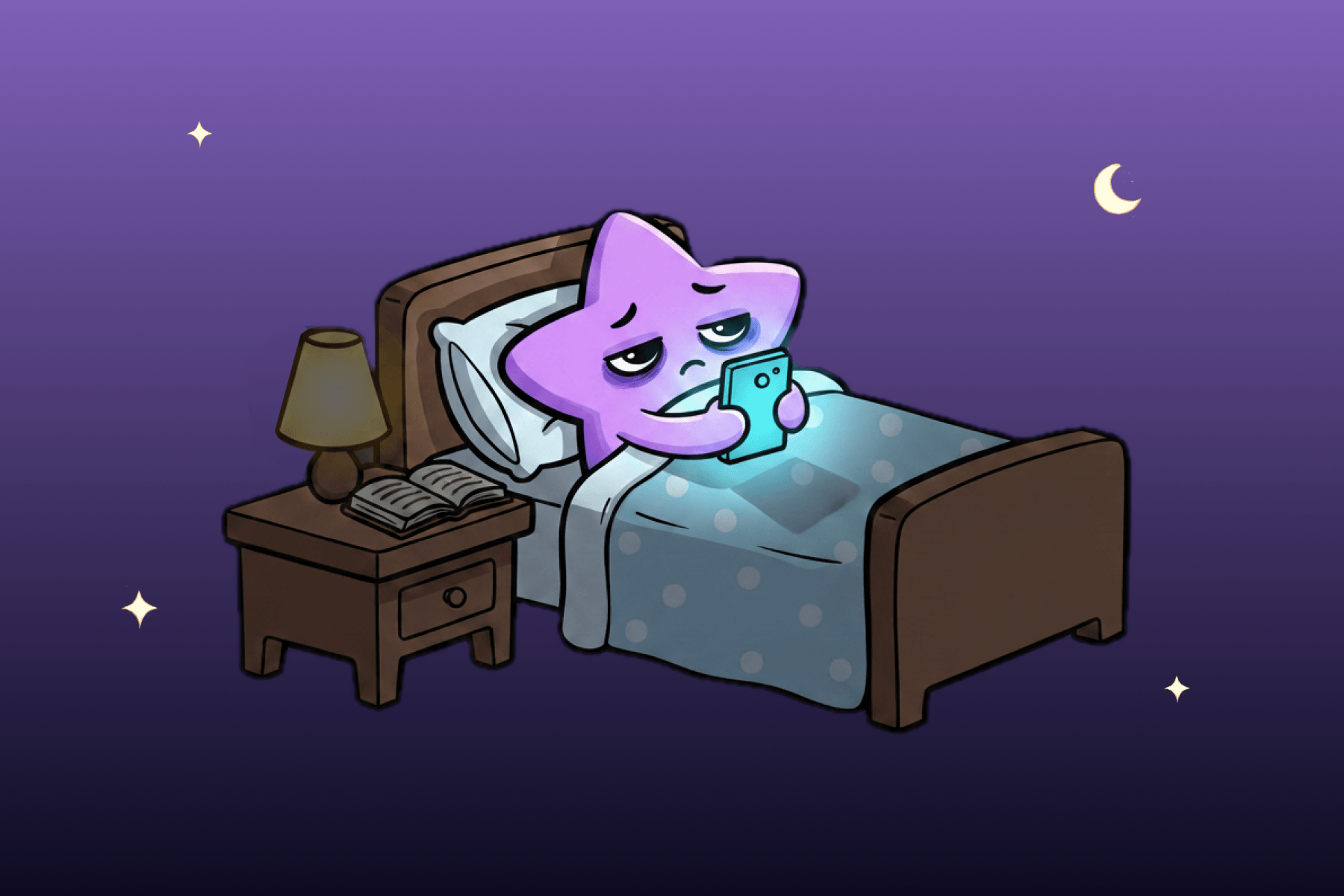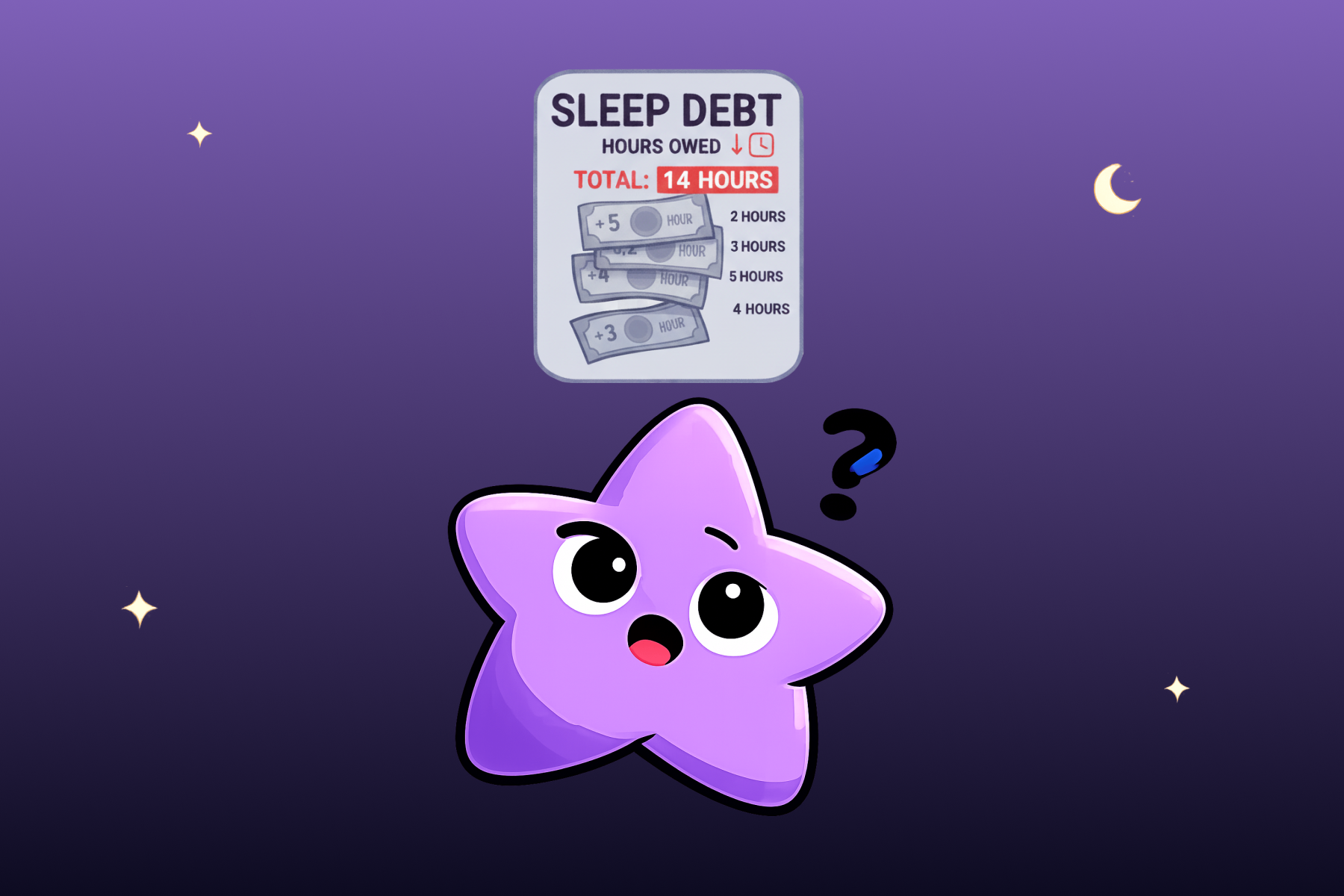
I opened TikTok for one video before bed. It was 2:00 AM when I put my phone down. That's not a self-control problem. That's an engineering problem and an app that shows you a "15 more minutes" button at midnight is not solving it.
lumi doesn't give you that button.
New here? The lumi homepage explains the full loop: bedtime app lock, wind-down activities, and morning challenges that only dismiss when you finish them.
why every other app fails you at midnight
You already know you scroll too late. You've known for months. The notifications, the screen time summaries, the sleep reminders none of it has fixed anything. That's because they all operate on the same flawed assumption: that you'll make better decisions at midnight than the algorithm expects you to.
You won't. Nobody does.
At midnight, your prefrontal cortex, the part of your brain responsible for long-term reasoning is running at a fraction of its daytime capacity. The TikTok algorithm, on the other hand, has been optimised by billions of dollars and billions of data points to keep you watching even at this moment. Willpower versus algorithm is not a fair fight.
The studies are clear: the fix isn't motivation. It's making the phone structurally harder to use than sleeping.
That's the premise lumi is built on. For the research layer underneath, doomscrolling and sleep: what late-night scrolling does to your brain covers melatonin, REM, and why mornings feel broken.
the bedtime lock: no override, no "just this once"
lumi's bedtime lock works because you set it when you're thinking clearly at 7 PM, before the algorithm has its hooks in you and the 10:30 PM version of you runs the show after that.
Here's what actually happens:
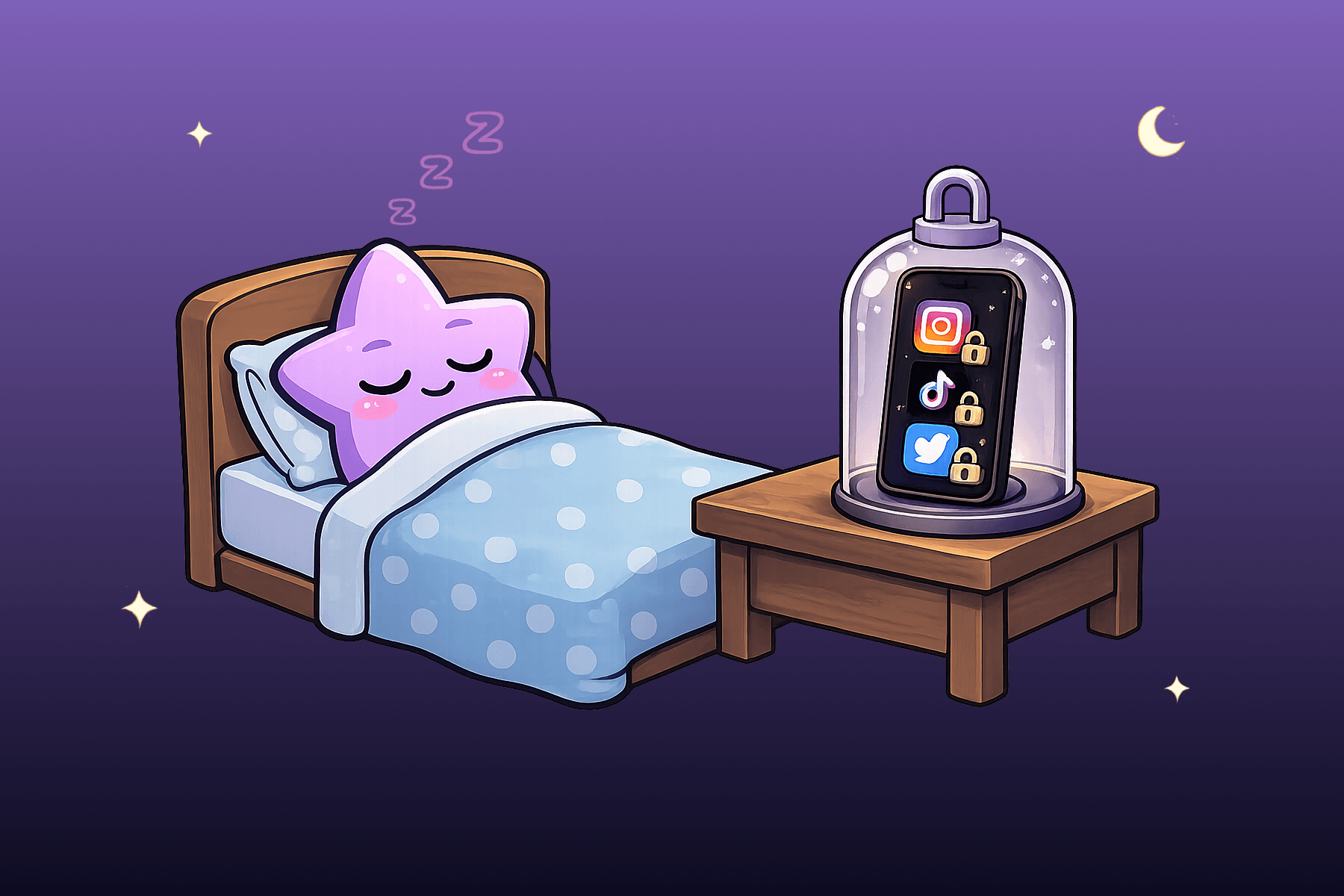
You choose your sleep schedule and wake up challenges All apps except for system calls, messages and settings get locked at the bedtime you set. You set the bedtime, wake time and wake up challenges. After that at bedtime, you don't get another vote.
At your bedtime, they go dark. No timer. No notification to dismiss. The apps simply stop working, and lumi's lock screen appears instead.
The lock screen has a message. Not a wellness tip. Not a statistic about sleep. Something closer to what a sibling would say if they caught you on TikTok at 3 AM - direct, a little amused, not pretending your midnight reasoning is sound. "You set this lock for a reason. That reason is still valid."
stop negotiating with your midnight self - try lumi free for 7 days. Lock tiktok at your bedtime →
Lumi was built because one of us two developers had a 2 AM scrolling problem and the other ran out of patience. The result is an app that sounds less like a wellness company and more like someone who knows you too well to be polite about it.
the wake-up challenge: the snooze button is a trap
Locking your apps at night is half the problem. The other half is what happens at 7 AM when your alarm goes off.
You will press snooze. Not because you're lazy - because when you're pulled out of sleep mid-cycle, your body physiologically resists waking. Sleep inertia is real, and the snooze button is designed for the least functional version of you. It gives you a six-minute window in which to make a decision you are biologically unequipped to make correctly.
Lumi removes that decision.
Instead of a snooze button, you get a task. The alarm doesn't stop until the task is complete.
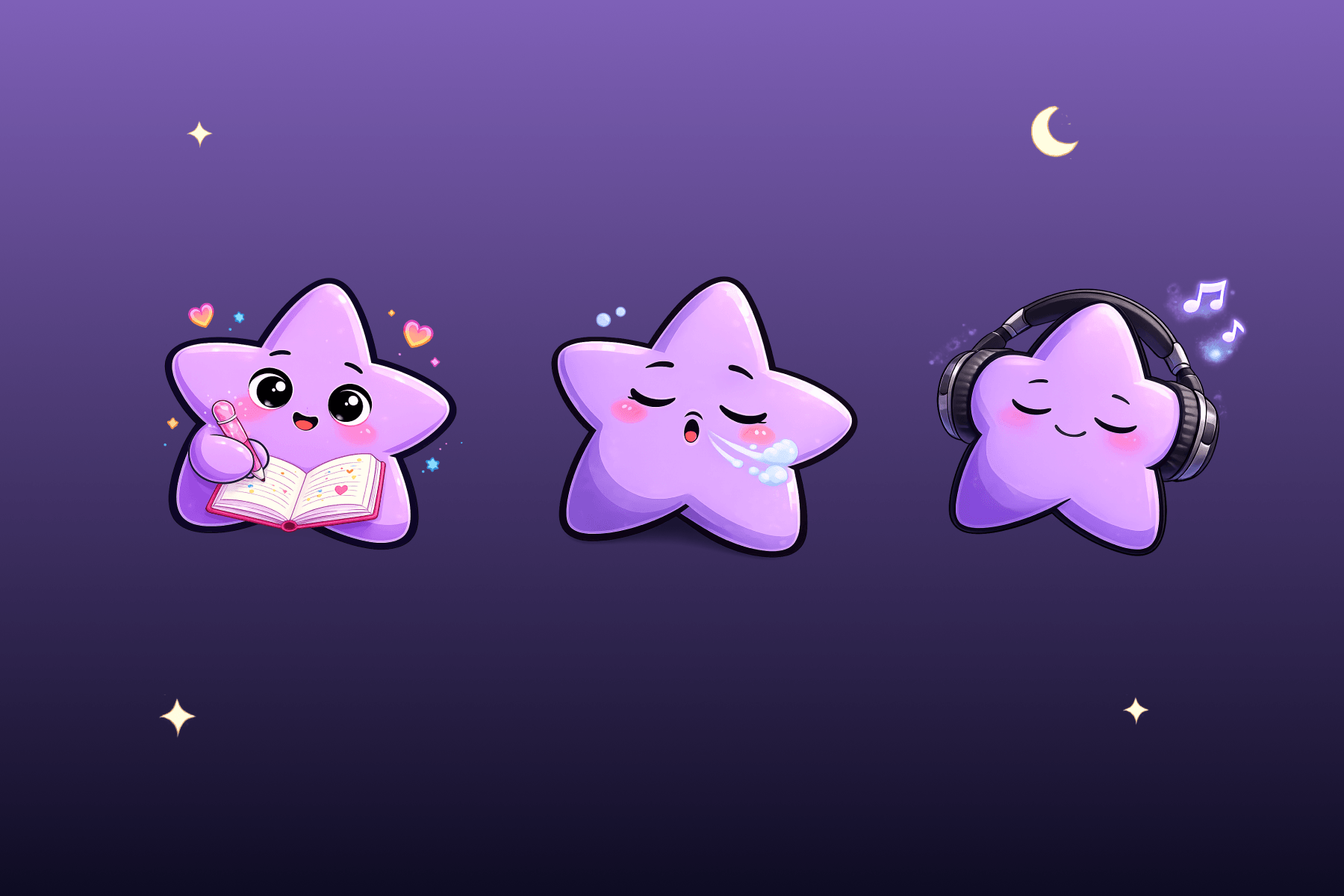
Math problems require the prefrontal cortex - the last brain region to wake up. Solving 847 ÷ 7 while half-asleep isn't possible. The cognitive engagement is incompatible with going back to sleep. By the time you've solved it, you're awake.
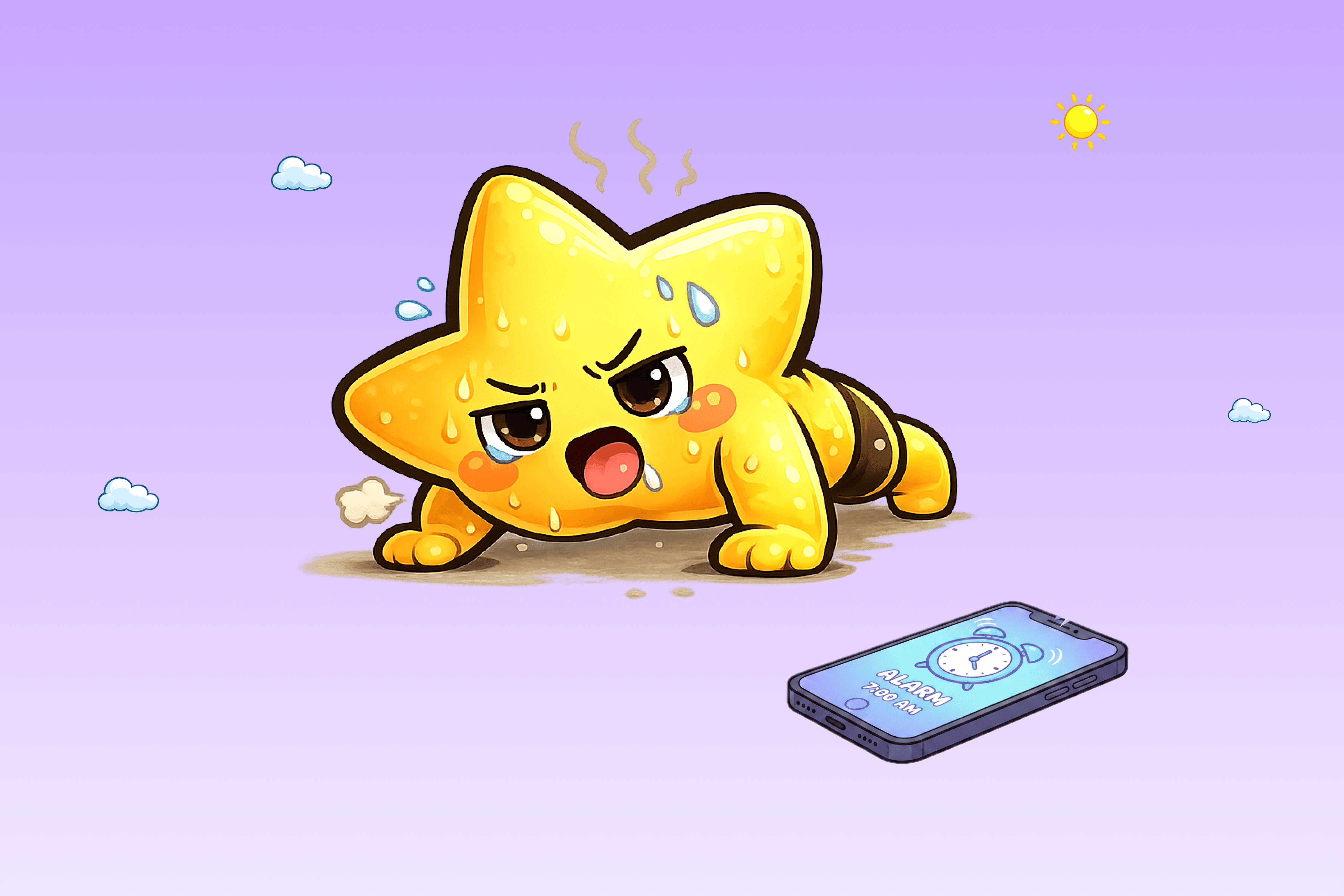
Physical challenges use your camera to count squats, jumping jacks, or push-ups. You cannot do twelve squats and fall back asleep. Your body has woken itself up.
Camera verification requires you to scan a QR code you've placed in another room - your bathroom, your kitchen. You have to physically leave the bed. The battle is over.
You set the challenge type before bed, when you're still capable of making good decisions. The morning version of you just has to complete it.
what actually changes when you remove the choice
The research on structural intervention is consistent: when the friction is high enough, behaviour changes. Not because you became more disciplined. Because the environment changed.
When your apps lock at 10:30 PM, you're not fighting your algorithm-addled midnight self every night. You fought it once at 7 PM when you set the lock and won. Every night after that is automatic.
When your alarm requires squats to dismiss, you're not negotiating with your groggy morning self about whether today is the day you get up on time. That decision was already made.
This is the structural constraint the science actually supports. Not a reminder. Not a soft nudge. A wall you build before you need it, that holds when you don't want it to.
Already using screen time limits and ignoring them? How to stop doomscrolling at night without relying on self-control explains why reminders lose to algorithms - and why structural friction is what the evidence supports instead.