You're not trying to doomscroll. You're trying to decompress.
That distinction matters. When you pick up your phone at 10 PM instead of doing something better, you're not making a bad choice - you're reaching for the easiest option after a day that already took everything from you. The problem with doomscrolling before bed isn't that you lack willpower. It's that the alternatives haven't been made accessible enough to compete.
Here are 15 things to do instead of doomscrolling, organised from lowest-effort swaps to the structural changes that actually stick long-term.
easy swaps (start here)
These five require almost nothing from you - low activation energy, genuinely restful, no setup.
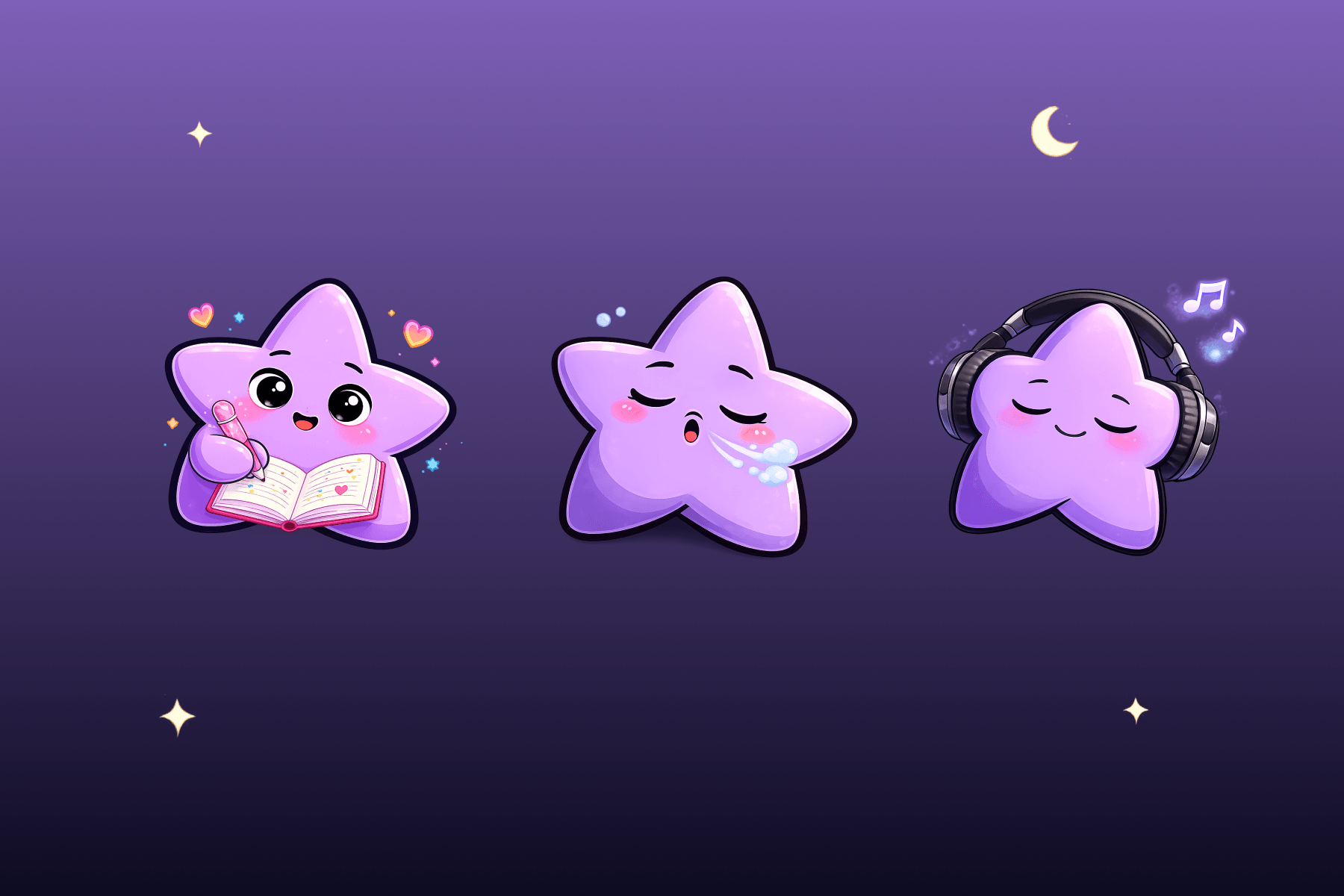
1. box breathing (4 minutes)
Inhale for four counts. Hold for four. Exhale for four. Hold for four. Repeat four times.
Research published in Frontiers in Psychology found that four minutes of box breathing activates the parasympathetic nervous system - the "rest and digest" mode your brain needs before sleep. Your heart rate slows. Cortisol drops. Your brain stops scanning for the next thing.
It takes less time than one TikTok spiral. It works better.
2. progressive muscle relaxation
Tense each muscle group for five seconds, then release - feet first, working upward through calves, thighs, stomach, shoulders, and hands.
This is one of the most evidence-backed techniques for reducing pre-sleep anxiety. It requires no app, no screen, and no sound. It's also physically impossible to do while scrolling, which is quietly the point.
3. ambient sound, phone face-down
Put on rain, brown noise, or ocean waves. Phone face-down. Eyes closed.
The difference between this and scrolling is the screen. Ambient sound occupies the part of your brain looking for stimulation without feeding it new information to process. Your phone stays useful without becoming a rabbit hole.
4. read a physical book - any book
Research from the University of Sussex found that six minutes of reading reduces stress levels by 68%.
It doesn't need to be improving literature. A novel you're mildly interested in, read until you feel drowsy. That's the entire activity.
5. stretch for five minutes
Your body has been in chair-position for most of the day. Five minutes of gentle stretching - neck, shoulders - signals to your nervous system that the workday is physically over.
This is the kind of decompression your body is actually asking for after cognitively demanding work. It's just not as immediately accessible as a phone.
intentional alternatives (moderate effort)
These require a bit more setup but pay off in actual restoration.
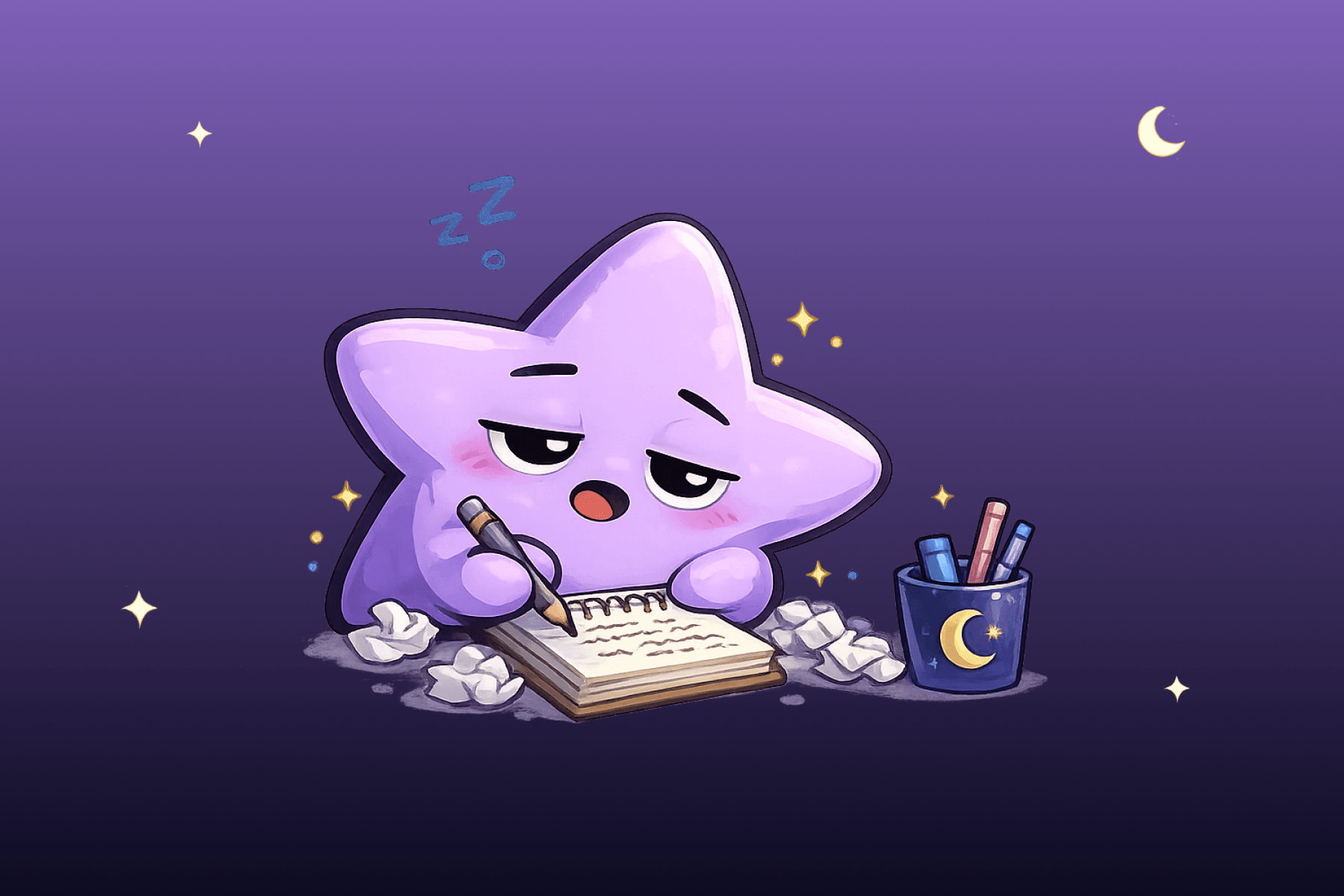
6. journaling - brain dump format
Write whatever is still spinning in your head. Not a diary, not reflection - just a brain dump. Every open loop, every unresolved thought, every thing you need to remember tomorrow.
Psychologist Sian Beilock's research shows that writing down worries before bed frees working memory and reduces the intrusive thoughts that keep people awake. You're not solving anything. You're offloading it to somewhere your brain will stop trying to hold it.
7. gratitude list - three items, specific
Vague gratitude ("I'm grateful for my health") has weaker effects than specific gratitude ("I'm grateful that the call I was dreading went fine"). Three specific items. Under three minutes.
Research from UC Davis links regular gratitude practice to improved sleep quality, lower cortisol, and better mood in the morning.
Try lumi's built-in brain dump journal - it's designed for this exact use case and takes one tap to open. See how lumi's wind-down mode works →
8. crossword or sudoku - paper version
Low-stimulation puzzle work occupies the part of your brain that would otherwise reach for the phone. It's engaging enough to hold attention but not so stimulating that it delays sleep.
The paper version specifically matters - no backlight, no notifications, no algorithm deciding what comes next.
structural changes (the ones that actually last)
These are harder to set up but remove the decision point entirely.
9. charge your phone outside the bedroom
Everything else on this list gets easier when your phone isn't on the nightstand. Proximity alone is a variable - phones within reach increase nighttime use significantly compared to phones charged in another room.
Buy a cheap alarm clock. Remove the excuse.
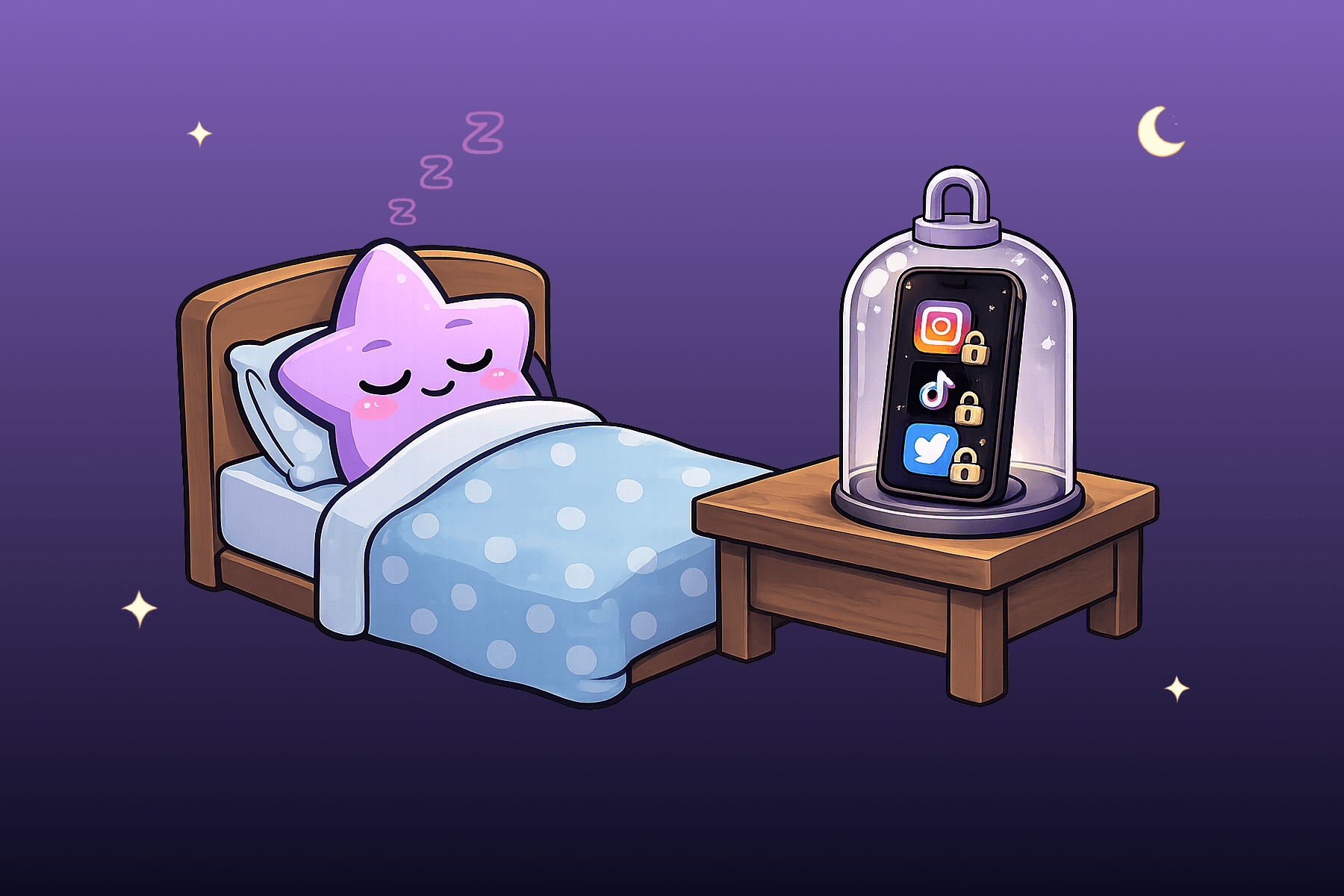
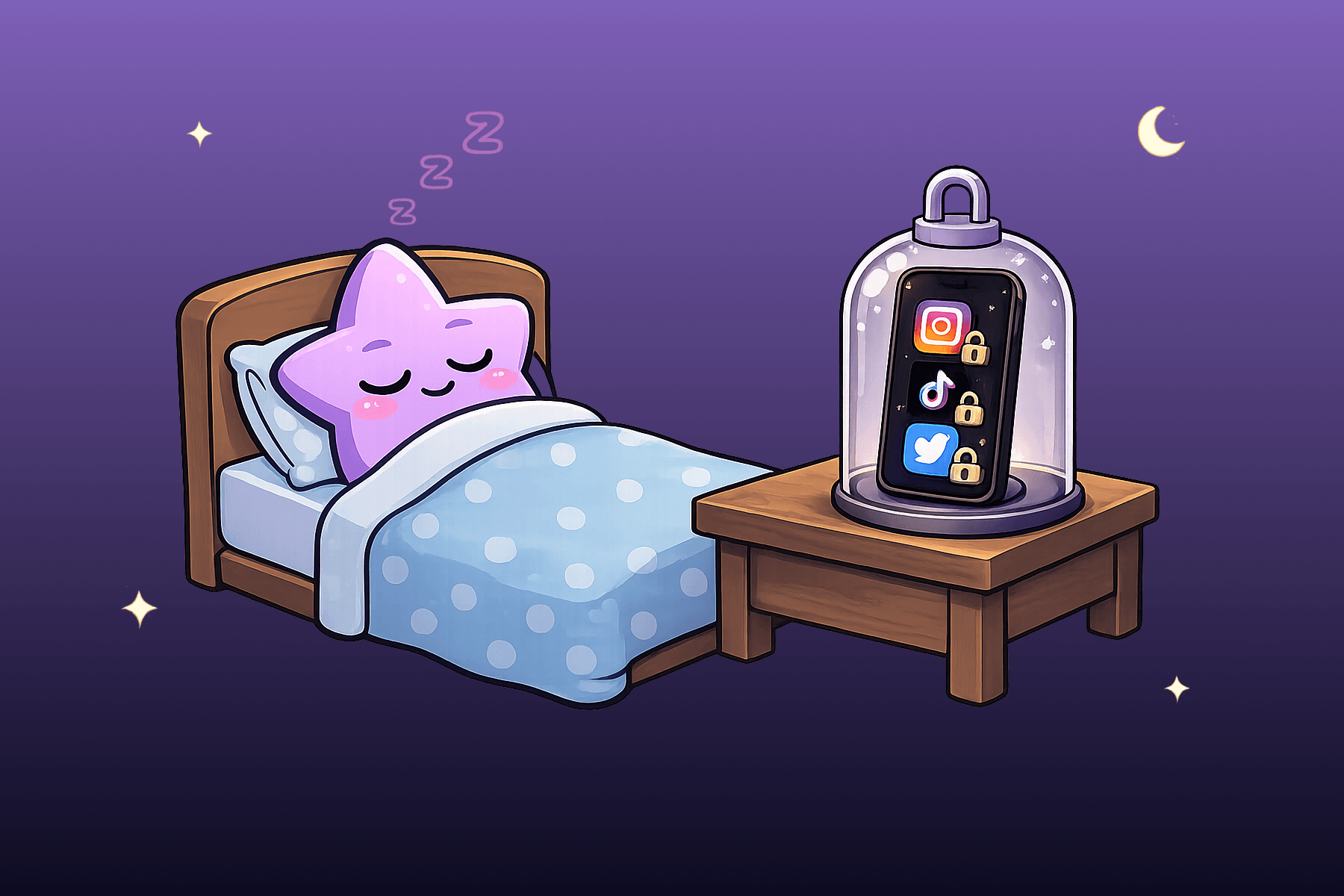
10. set a bedtime app lock - the real structural fix
This is where the list stops being about adding better habits and starts being about making the bad habit structurally harder.
lumi's bedtime lock lets you block the apps you spiral on - Instagram, TikTok, YouTube Shorts - at a time you set when you're thinking clearly. The lock activates automatically. There's no "five more minutes" button.
You're not relying on midnight-you to make a good decision. You made the decision at 7 PM, when you had the clarity to make it well. Try lumi free for 7 days →
11. the non-negotiable bedroom rule
Decide that your bedroom is not a place for screens after a specific time. Not a soft preference - a physical rule backed by structure.
Phone outside the room. Tablet outside the room. Laptop closed and off the bed.
It sounds obvious because it is. The reason most people haven't implemented it isn't complexity - it's that they haven't committed to the rule at a time when they had the energy to enforce it. Set the rule now. Build the structure around it tonight.
the pattern behind the list
If you read through these 11 items, you'll notice the escalating logic: the first ones cost you nothing. The middle ones build over time. The last ones change the environment before the decision moment arrives.
Most people fail at the last five because they try to implement them through willpower at midnight. That never works. Set them up now, while you're reading this - when you're rested enough to build something.
lumi has a built-in wind-down mode: breathing, brain dump, soundscapes - all before it locks your apps at the time you set. Try it and wake up having actually slept.
Want to understand why doomscrolling has such a strong pull at night? Read the science of what late-night scrolling does to your brain →